




















Choosing a sandbox runtime for long-lived coding agents
How we evaluated sandbox providers for coding agents, what we chose for now, and the trade-offs behind that decision.
orchestrators
In this guide, we compare ZenML with Kedro to highlight which framework best fits your needs for scalability, ease of use, and robust feature sets. Discover the key differences that will streamline your ML operations and propel your projects forward.
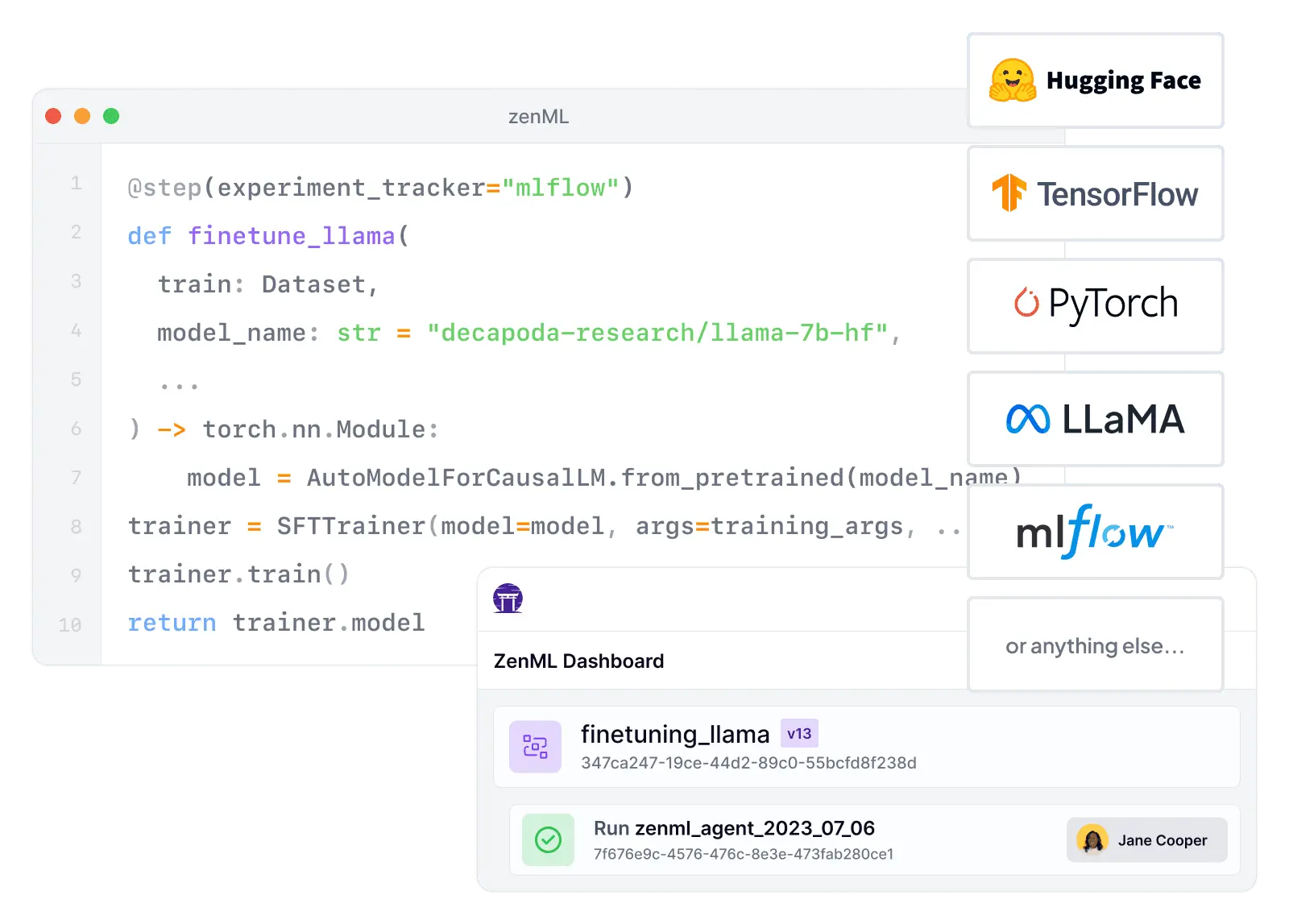
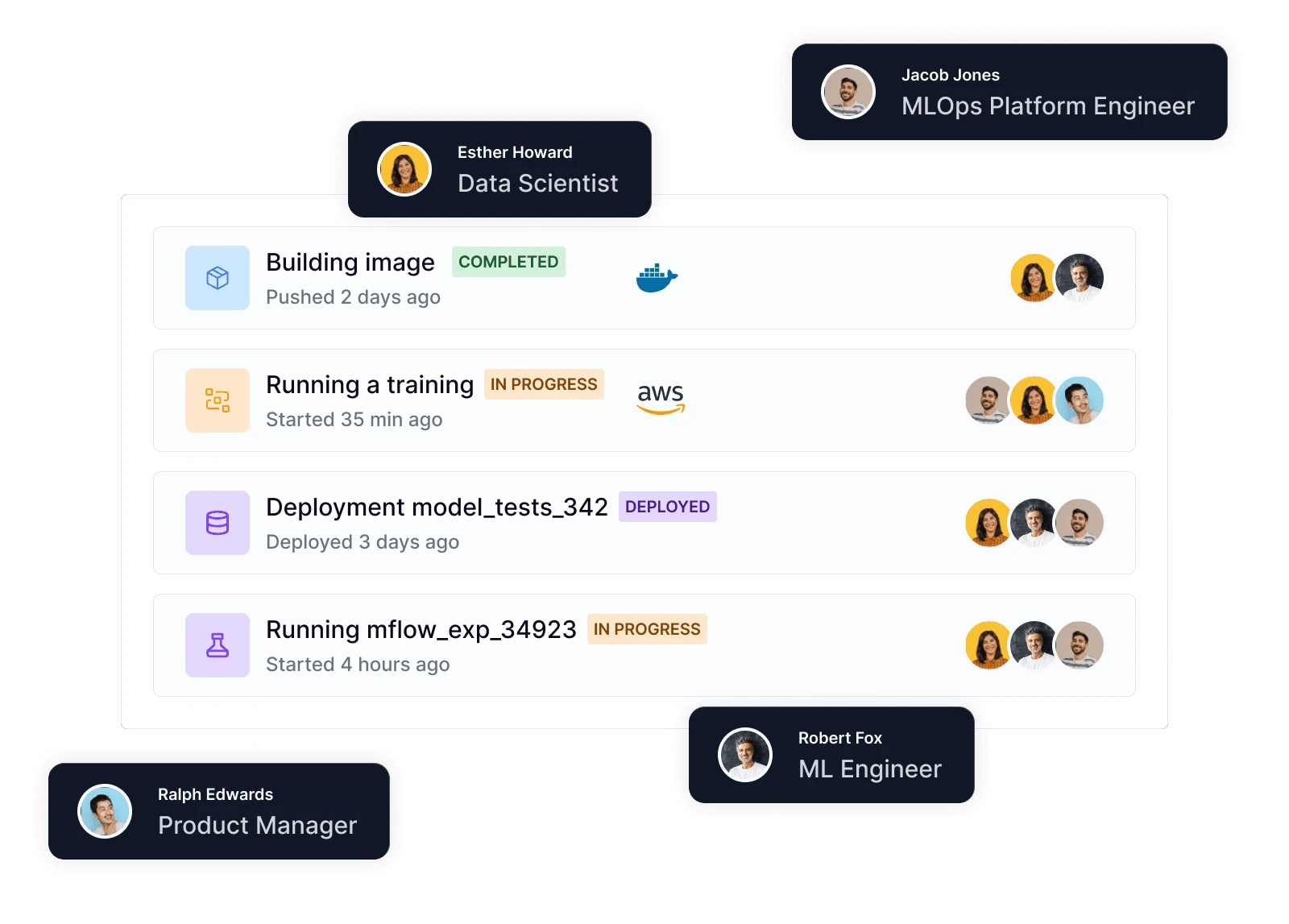
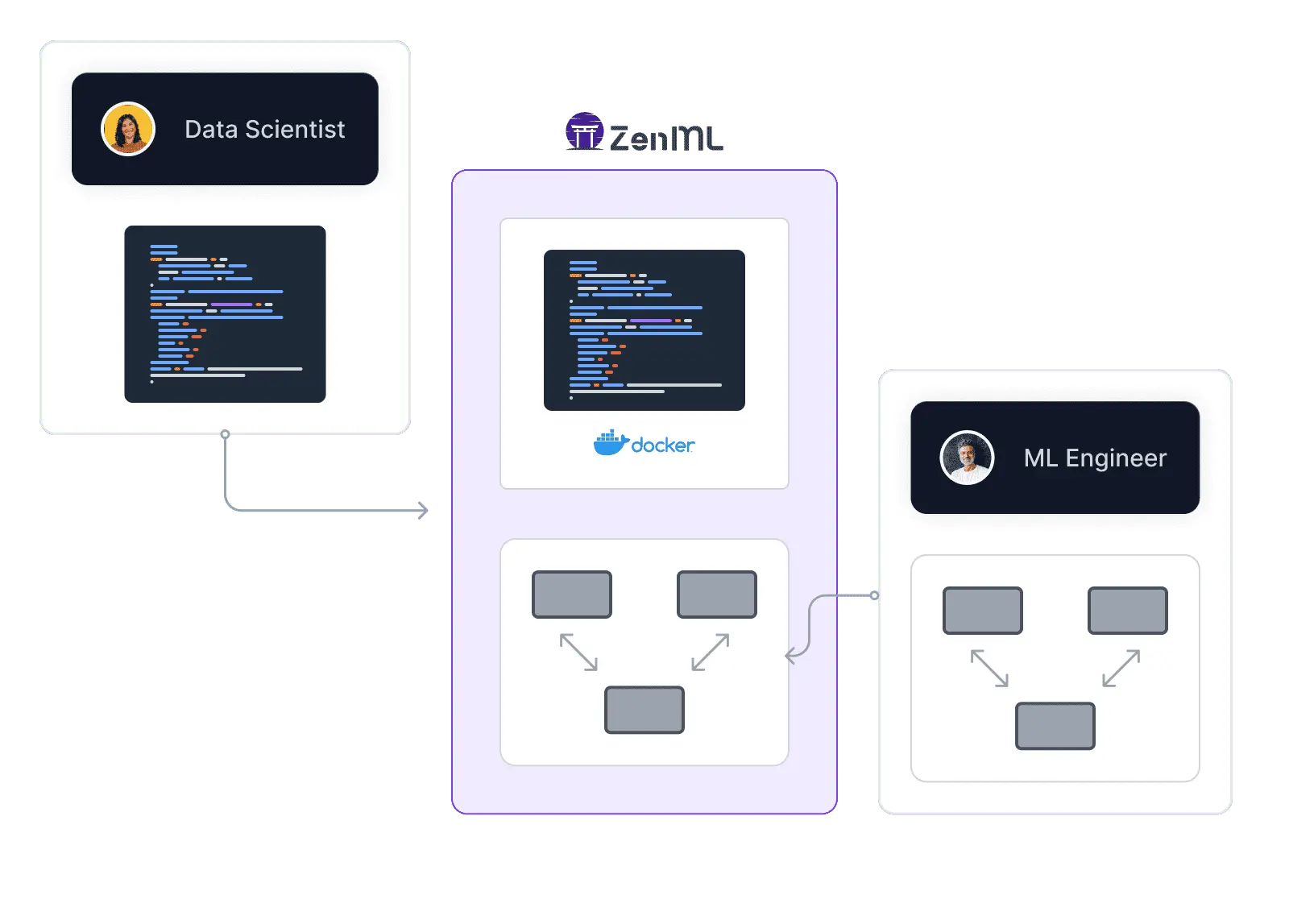

ZenML allows orchestrating ML pipelines independent of any infrastructure or tooling choices. ML teams can free their minds of tooling FOMO from the fast-moving MLOps space, with the simple and extensible ZenML interface. No more vendor lock-in, or massive switching costs!

Richard Socher
Former Chief Scientist Salesforce and Founder of You.com
| Feature | ZenML | Kedro |
|---|---|---|
| Integration Flexibility | Yes Custom integrations for diverse workflows | Not supported Limited to specific platforms |
| Workflow Automation | Yes Advanced automation capabilities | Not supported Basic automation features |
| Experiment Tracking | Yes Detailed experiment tracking | Not supported Limited tracking capabilities |
| Collaboration Tools | Yes Enhanced collaboration features | Not supported Basic collaboration support |
| Pipeline Visualization | Yes Rich pipeline visualization tools | Not supported Basic or limited visualization |
| Monitoring and Logging | Yes Extensive monitoring and logging | Not supported Basic monitoring and logging |
| Cost Efficiency | Yes More cost-effective solutions | Not supported Potentially higher operational costs |
| User Interface | Yes User-friendly and intuitive interface | Not supported Varies, often less user-friendly |
| Community and Support | Yes Strong community support and resources | Not supported Limited community resources |
| Continuous Integration/Deployment (CI/CD) | Yes Robust CI/CD integration | Not supported Often lacks full CI/CD integration |
| Security Features | Yes Advanced security protocols | Not supported Basic security features |
Code comparison
# ZenML pipeline syntax
from zenml import pipeline, step

@step
def data_preprocessing(data):
    ... # preprocessing logic

@step
def model_training(preprocessed_data):
    ... # model training logic

@pipeline
def ml_pipeline(data):
    preprocessed_data = data_preprocessing(data)
    trained_model = model_training(preprocessed_data)
return trained_model# Kedro pipeline syntax
from kedro.pipeline import Pipeline, node
def data_preprocessing(data):
... # preprocessing logic
def model_training(preprocessed_data):
... # model training logic
def create_pipeline(**kwargs):
return Pipeline(
[
node(
func=data_preprocessing,
inputs="raw_data",
outputs="preprocessed_data",
name="preprocess_data",
),
node(
func=model_training,
inputs="preprocessed_data",
outputs="trained_model",
name="train_model",
),
]
)ZenML ensures a faster setup, outpacing orchestrators for quick, efficient ML workflows.
Orchestrator Showdown

ML-optimized workflow management. Enhance scalability and usability with comprehensive features designed for ML pipeline orchestration.

ZenML is an open-source alternative to Argo Workflows for ML pipelines with built-in metadata, lineage, and reproducibility

Dagster alternative: Streamline ML ops with intuitive pipelines. Seamless integrations and experiment tracking for efficient ML workflow management.
Databricks alternative: Flexible ML orchestration without vendor lock-in. Accelerate ML with lightweight, adaptable workflows across multiple clouds.

Flyte alternative: Agile ML pipeline orchestration. Accelerate workflows with intuitive tools, seamless MLOps integration, and rapid iteration.

Kubeflow alternative: Lightweight ML pipeline management. Simplify MLOps with flexible, user-friendly workflows across various environments.

Prefect alternative: ML-centric pipeline orchestration. Streamline workflows with intuitive design, experiment tracking, and MLOps integrations.
How we evaluated sandbox providers for coding agents, what we chose for now, and the trade-offs behind that decision.
The new Kitaru turns production traces you already collect into replayable test scenarios, expert-reviewed cohorts, and evaluators you can run on every change.
Robotics compute is spreading across clouds and clusters. Learn how one portable pipeline layer can keep the robot-learning loop reproducible.
See ZenML's superior model orchestration in action Discover how ZenML offers more with your existing ML tools Find out why data security with ZenML outshines the rest